We Educate & Inspire
Education Is How We Give Back to the Profession


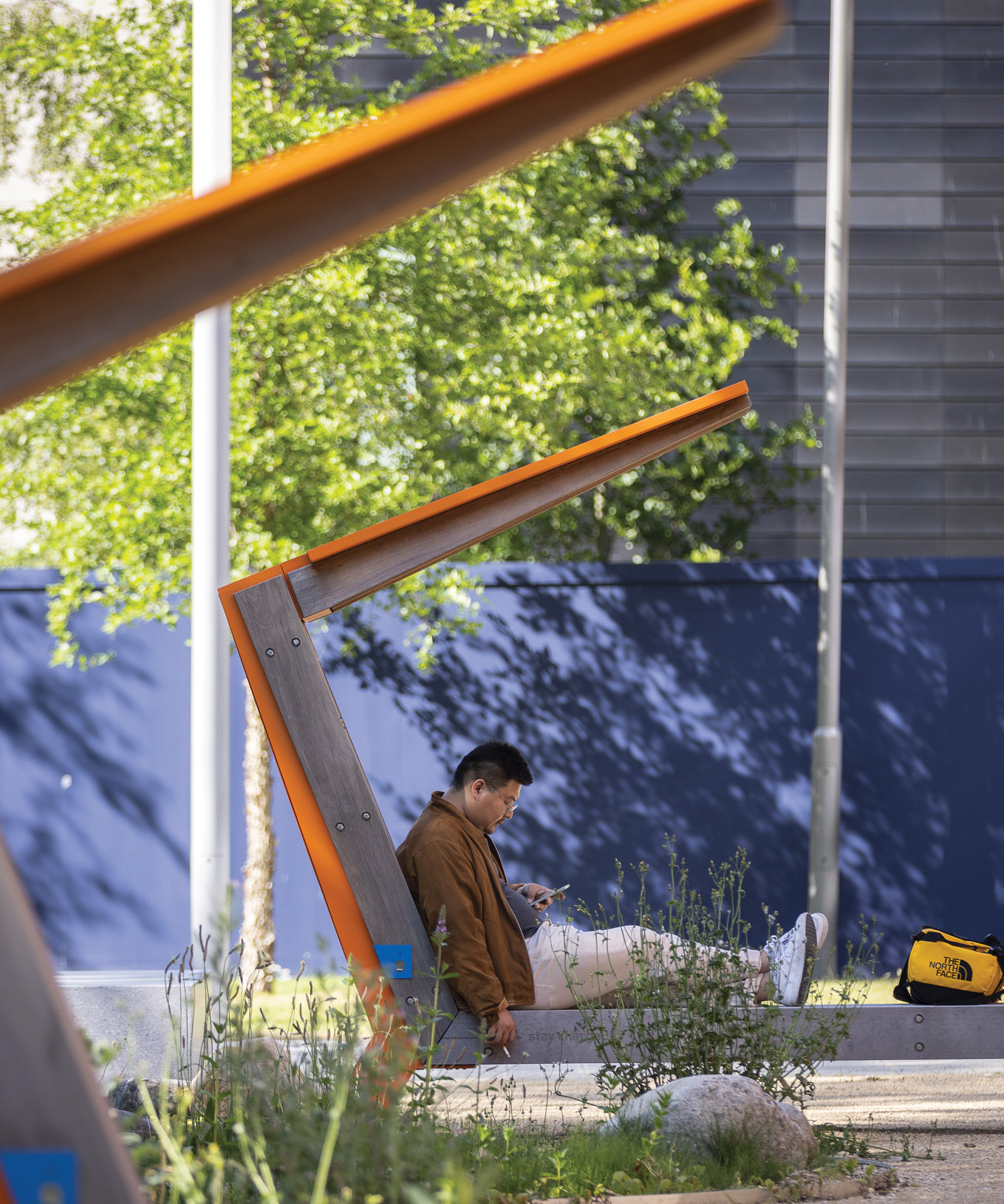
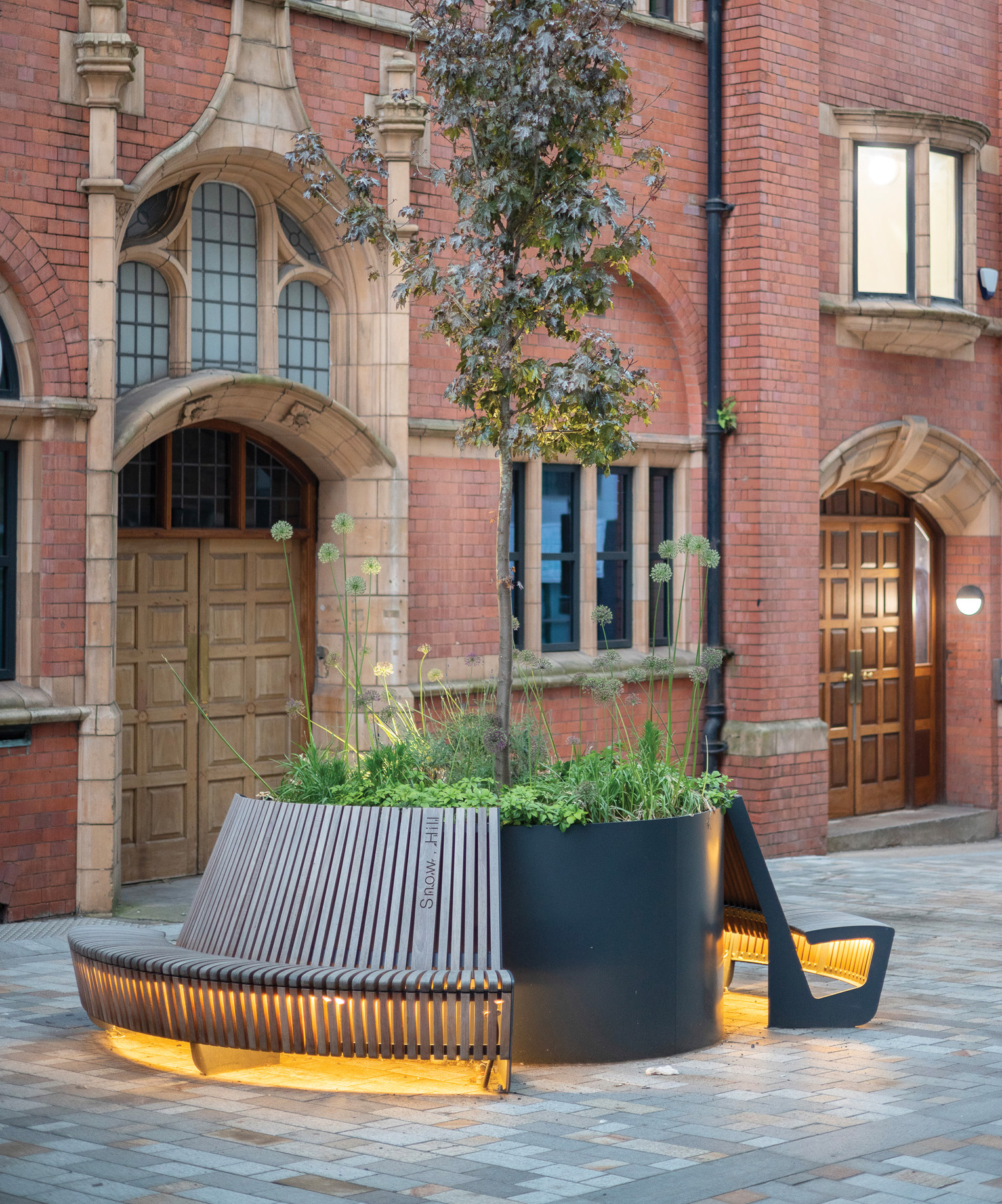
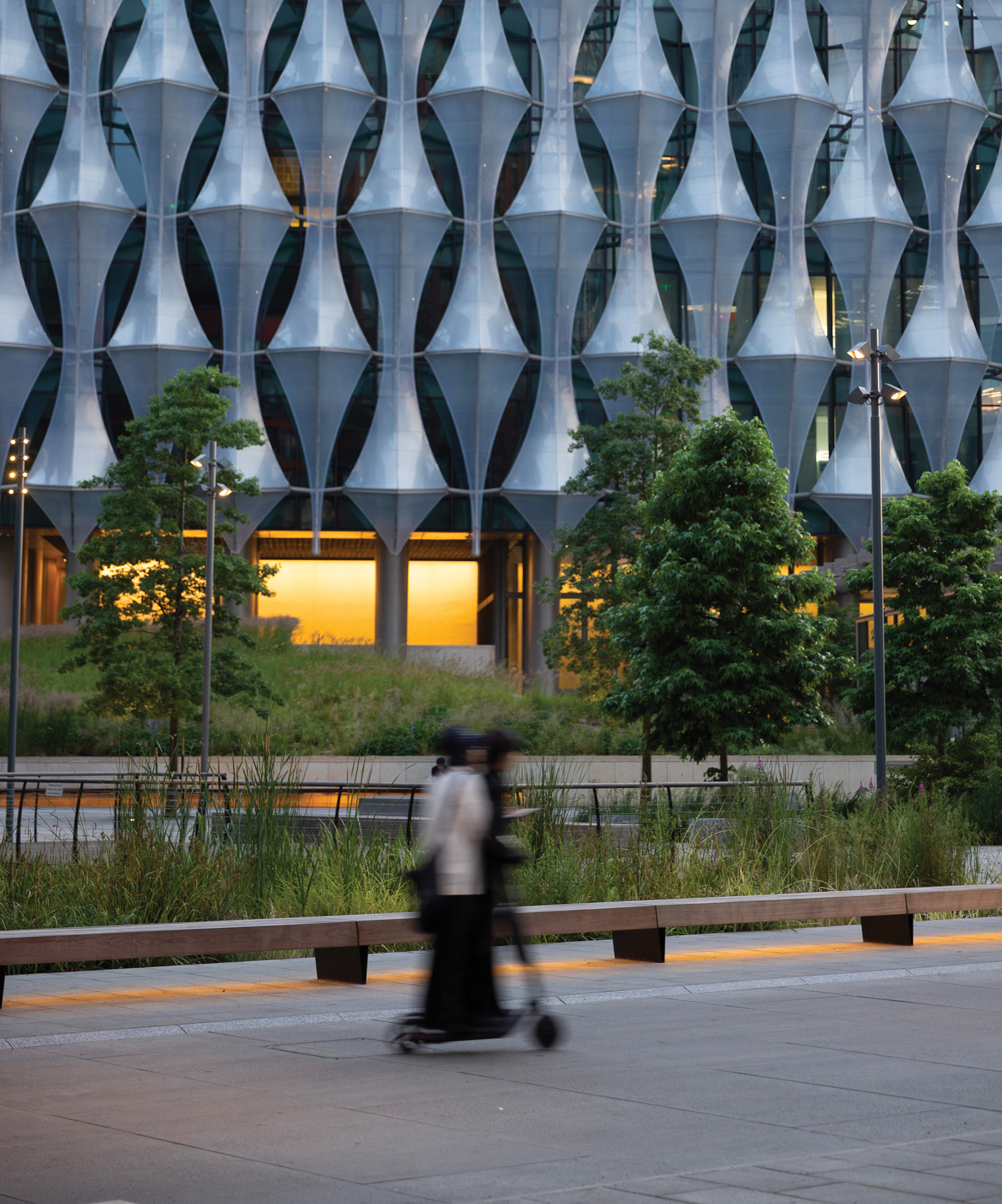
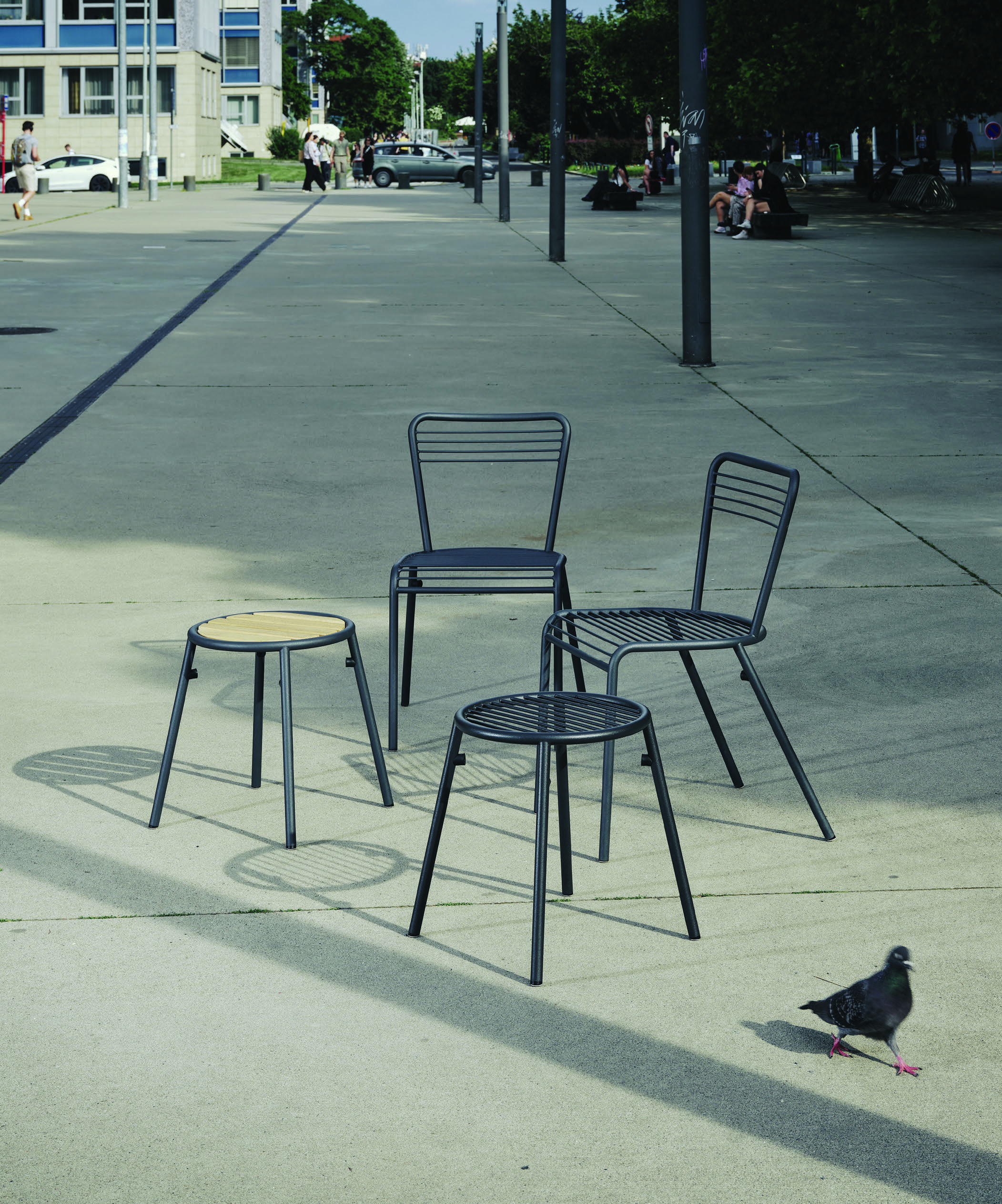
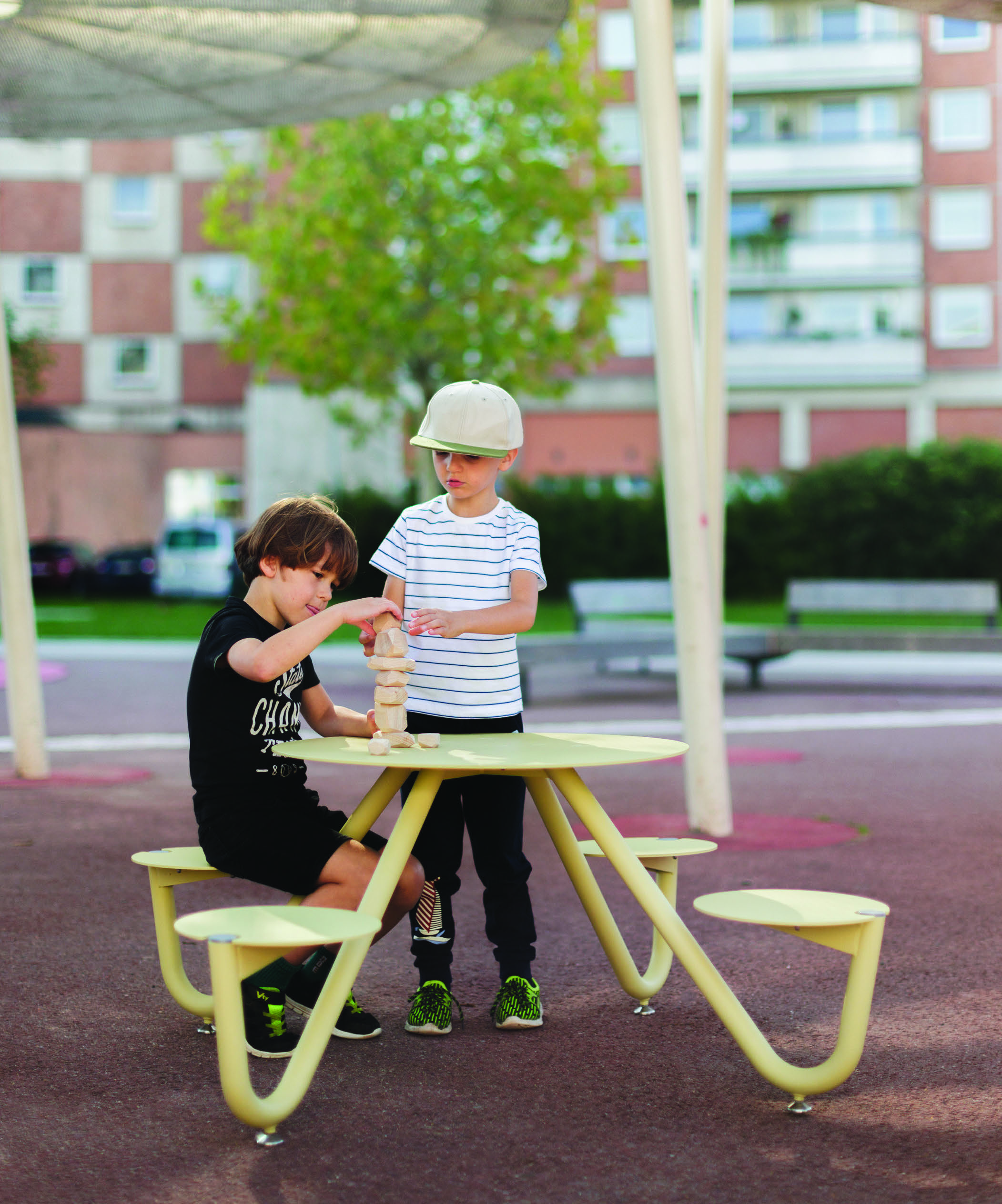

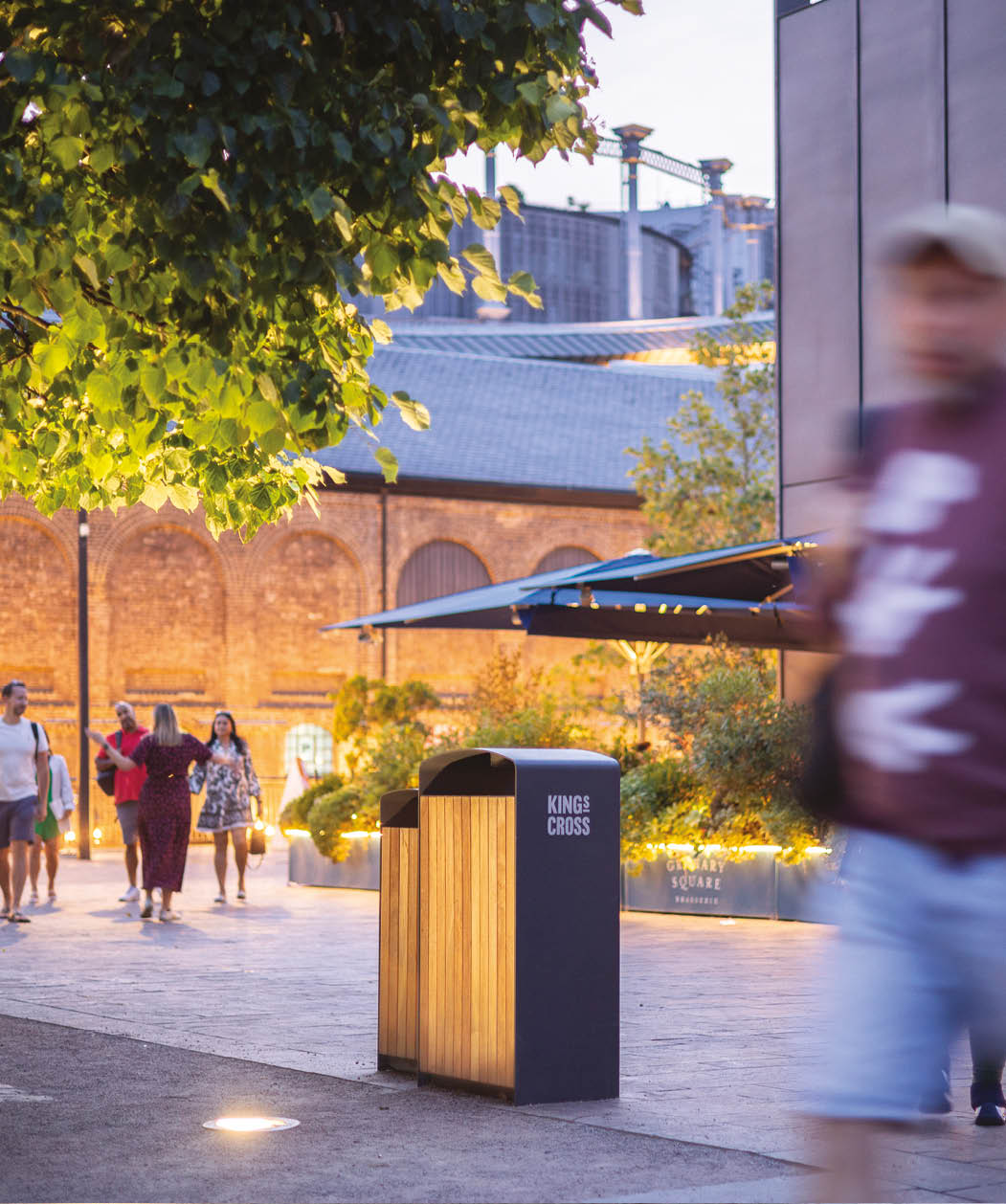

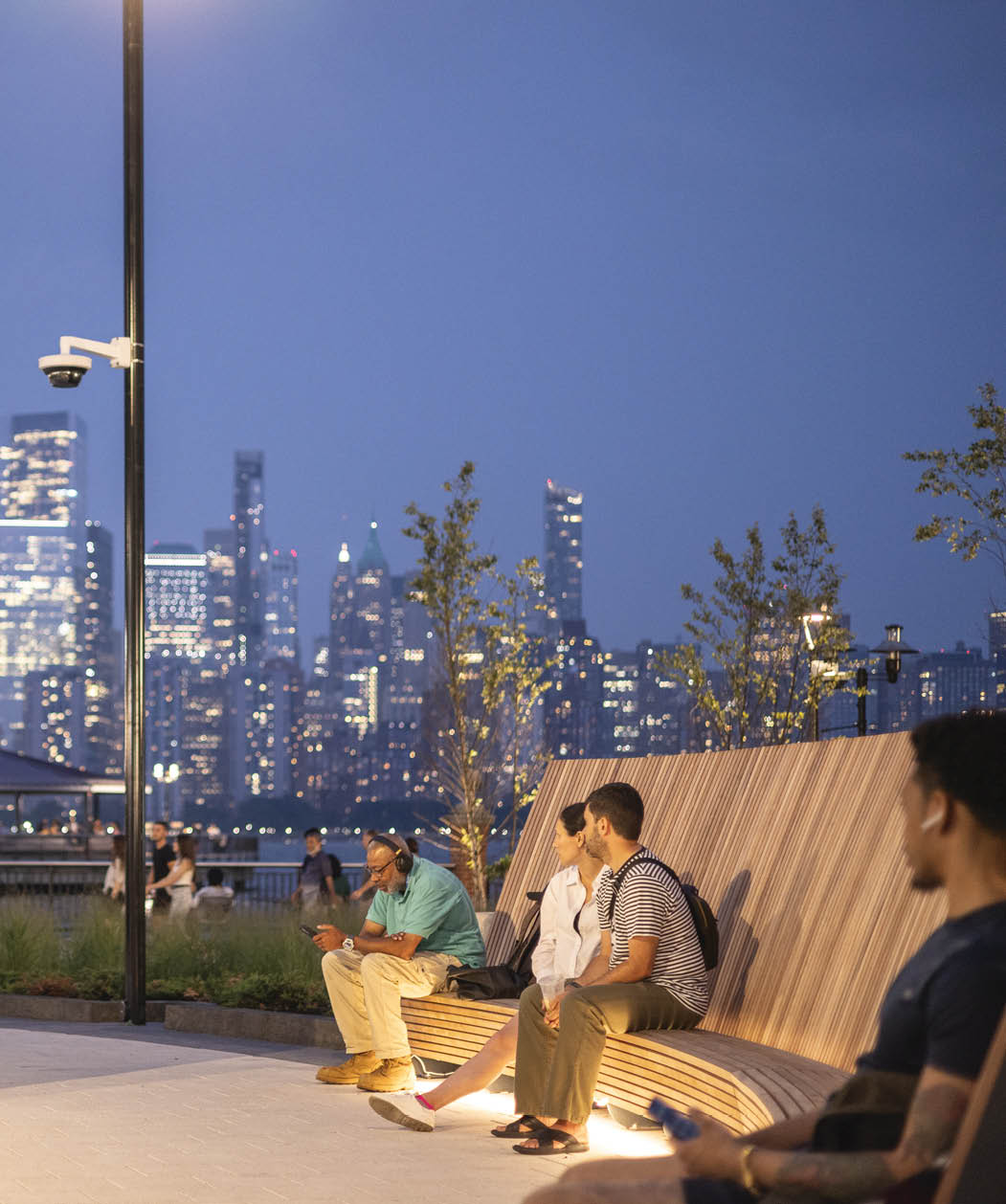
Street furniture shapes how people sit, wait, gather, and feel in a city. We‘ve s ent a long time thinking about nothing else. Most continuing education teaches you what to think. Ours focuses on teaching you what to notice — through accredited courses that go well beyond product specs into the real craft of designing public space.
See all coursesKnowledge Is the Foundation of Great Public Space
There’s a gap between what schools teach and what practice demands – and another gap between what designers specify and what manufacturers actually know about functions and materials over time. Our courses exist to close both. We go deeper than compliance, deeper than catalogue knowledge. Not as a marketing exercise. Because these conversations make for better public spaces, and better public spaces matter.


Accredited. Recognized. Valued Across Disciplines.
Every course carries 1 Learning Unit (LU) with HSW designation – accredited by both LA CES and AIA. That means your time here counts toward the credentials that matter most to your practice.
One Hour. Real Credit. Book It.
Booking is straightforward. Choose the course that speaks to where you want to grow, pick a time that fits – and that’s it. Sessions run one hour and are available in-person or online, whatever works best for you and your team. A short assessment follows each course, and your certificate is issued within a few days of completion.
Biophilic Design: Urban to Human
1 Credit Hour | LA CES + AIA | HSW Designated
We are biological creatures living in built environments – and the tension between the two is something great design can resolve. Biophilic design is the practice of reconnecting people with nature through the spaces they inhabit every day. Research is clear: that connection reduces stress, supports mental well-being, and changes how people experience a place at a fundamental level. This course examines how site furnishings – seating, shelters, planters, and shade structures – become the touchpoints where that connection happens. Natural materials, organic forms, integrated greenery: we look at how these choices shape not just aesthetics, but community health, behavior, and the quiet but measurable difference between a space people avoid and one they return to.
Claim Your Credit Hour
Public Furniture & Sustainable Materials
1 Credit Hour | LA CES + AIA | HSW Designated
Sustainability isn’t a material – it’s a result. And results come from knowledge, not intention. This course puts every major material used in public furniture under scrutiny: what makes it exceptional, how it ages, where it excels and where it has limits, and what it costs – and gives – the environment across its full lifecycle, from sourcing through end of life. We look at recycled and upcycled materials for what they are: a genuine part of the answer, understood on their own terms. Because the truth is this – specify the right material, engineered correctly for the conditions it will live in, and that product will outlast trends, budgets, and the question of whether it was the sustainable choice. It will simply be the right one.
Claim Your Credit Hour
Inclusivity: People, Public Furniture & Public Space
1 Credit Hour | LA CES + AIA | HSW Designated
Public space makes a promise – that it belongs to everyone. Public furniture is where that promise is either kept or broken. Every seat, shelter, and plaza table carries an implicit message about who belongs and who doesn't. That message has real consequences – not just physical ones, but psychological. Feeling unseen or unwelcome in a public space isn't a minor inconvenience; it affects mental well-being, sense of belonging, and how people move through their own city. This course examines the precise intersection where public furniture and public life meet – looking honestly at who is served, who is overlooked, and why it matters. Through real examples and design decisions, we explore how thoughtful specification can make public spaces genuinely welcoming, safe, and accessible for all – not as an afterthought, but as the whole point.
Claim Your Credit Hour

The Person Behind the Courses
Albert Harris spent years designing public spaces as a licensed landscape architect. Then he crossed to the other side – working with us, the manufacturer – testing materials, understanding how things are actually made, how they fail, and what it takes for them to last. That’s where these three courses were born. From the questions that only arise when you’ve both drawn the plans and watched what happens to them ten years later. When you’ve specified for inclusivity and then seen who actually sits – and who doesn’t. When you’ve believed in biophilia and then had to prove it in steel, timber, and concrete. Albert has stood on both sides of the table. These courses are what you learn when you see the full picture.

Education is one part of how we show up in the profession. Across North America, mmcite works alongside professional organisations, academic institutions, and community partners to support the broader design community.